What Makes a Good Woodworker: Qualities We Look For
Good woodworkers measure twice, work at the pace the job needs, read a plan closely and ask when something is unclear. Here is what that looks like in our shop.
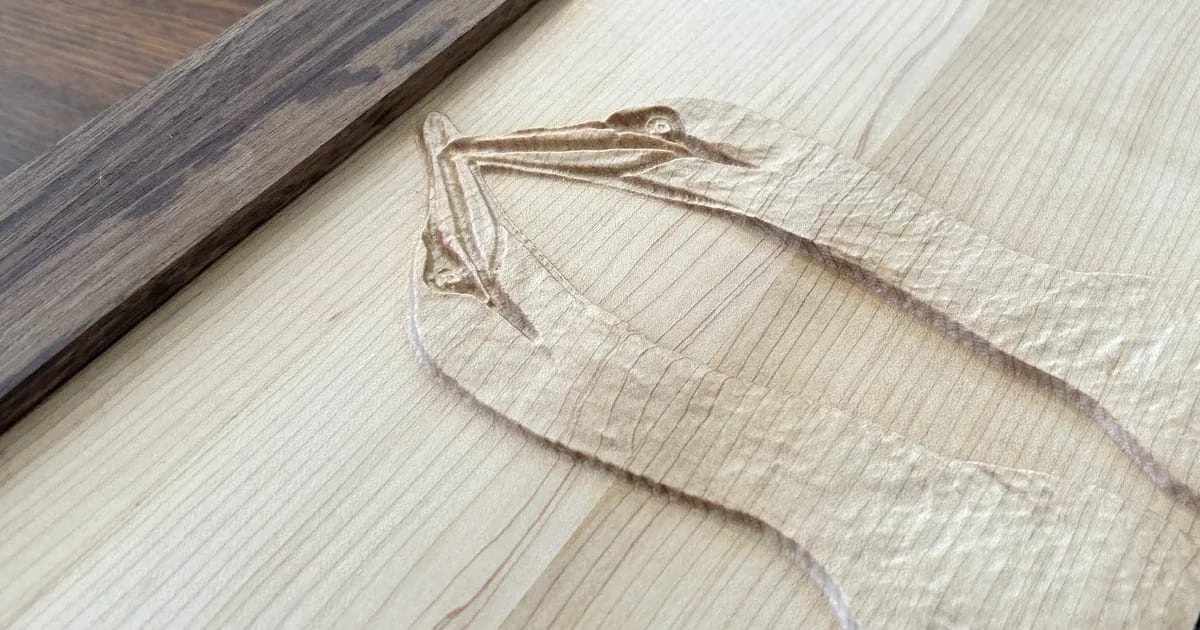
Ask a few cabinetmakers what makes a good one and the answers rarely mention machines. They talk about the check made before a cut, the piece that gets redone because the edge was slightly off, and the question asked before a mistake rather than after. These are habits, and habits can be learned. They matter more than any piece of equipment in the shop.
The order book at Atelier Multidécor is full and the shop is growing, so we are looking for part-time help. This post lays out the qualities of the trade, then what we hope to find in a helper.
What does a cabinetmaker do all day?
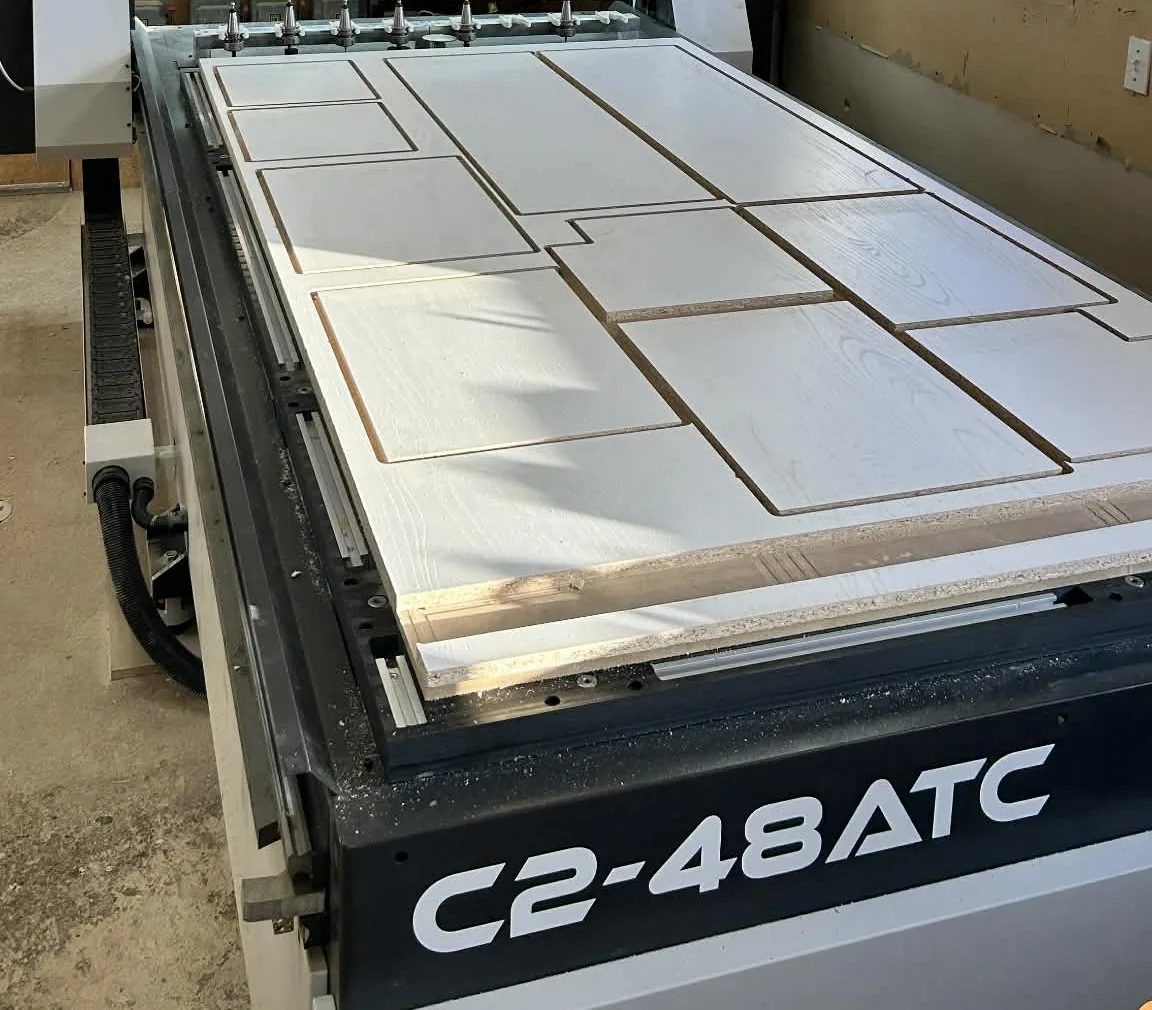
Québec.ca's page on the trade lists the main tasks: studying plans and drawings, marking dimensions, running woodworking machines such as power saws, shaping parts with hand tools, assembling them into furniture, then sanding and applying a coating. In our shop, some of that work runs through the CNC router and the laser. The rest is done by hand: assembly, sanding, fitting. Our services page shows what comes out of it.
None of these tasks is mysterious. Each one is a sequence of small, checkable steps, which is why a careful beginner can contribute early and improve quickly with someone showing the way.
Accuracy
A custom cabinet is built to the dimensions of your room. A few millimetres off shows up as a door that hangs crooked or a joint that opens. Accuracy therefore starts before the machine does: a measurement taken twice, a mark made in the right place, a part checked against the plan before the next one is cut.
Our CNC holds a tolerance of ±0.1 mm, but it cannot catch a mistake in the file it is given. The person who prepares and checks the work is still the one responsible for the result.
Patience
Sanding, dry-fitting and trimming an edge are slow steps. They are also what separates a part that is acceptable from one that is well finished. Patience means redoing a step that is not right instead of hoping nobody notices. Customers notice, often on installation day.
Reading a plan
A plan gives sizes, thicknesses, positions and sometimes finishes. Reading it means knowing what it says and what it leaves out. When a dimension is missing, or two dimensions disagree, a good woodworker does not guess. They ask. Plan reading is learned on the job, part by part, from someone who points out where to look and explains why one dimension outranks another.
Care for the finish
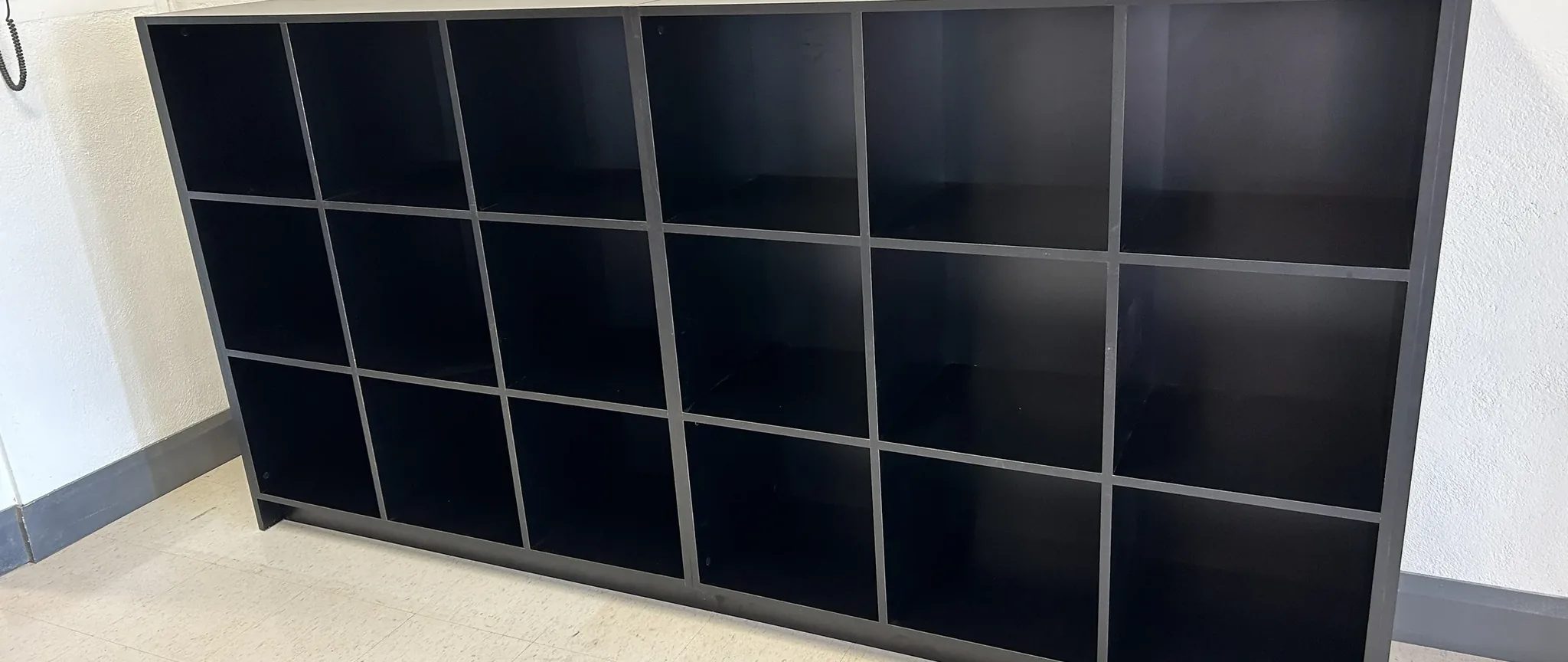
The finish is the part you touch every day. A textured melamine surface, an even edge and a clean corner all depend on the last few minutes of work. Melamine is the shop's main material, with a uniform, hard-wearing surface that is easy to keep clean, and it does not forgive a badly finished edge. Caring for the finish means holding the piece under the light, running a hand over it and fixing whatever catches.
Safe habits and a tidy shop
A cabinet shop has blades, router bits and dust. The safe habits are plain: wear your protection, keep your hands out of the tool's path, never rush at a machine and stop when something seems off. Tidiness belongs to the same list. A clear bench, offcuts picked up and tools back in their place prevent mistakes and injuries. These small gestures repeat every day, and they count for more than any sign on the wall.
Asking questions
This is the most underrated quality in the trade. A question costs ten seconds. A part cut the wrong way round costs a sheet of material. In our shop, a helper who asks before acting is worth more than one who guesses. Nobody expects a beginner to know everything. We do expect them to say so when they do not.
What the shop looks for in a helper
We look first for people who are willing to learn and to work carefully. Showing up on time, listening to a correction and taking another pass at a part count for more than any earlier job title. The shop teaches the rest. Here is the job:
- Part-time, 20 to 30 hours a week.
- At the shop in Saint-Siméon-de-Bonaventure.
- In a workplace that runs in French.
- Students and people who want part-time work are welcome.
- Everyday shop tasks, taught on site.
- Training on the CNC router and the laser, given gradually and under supervision.
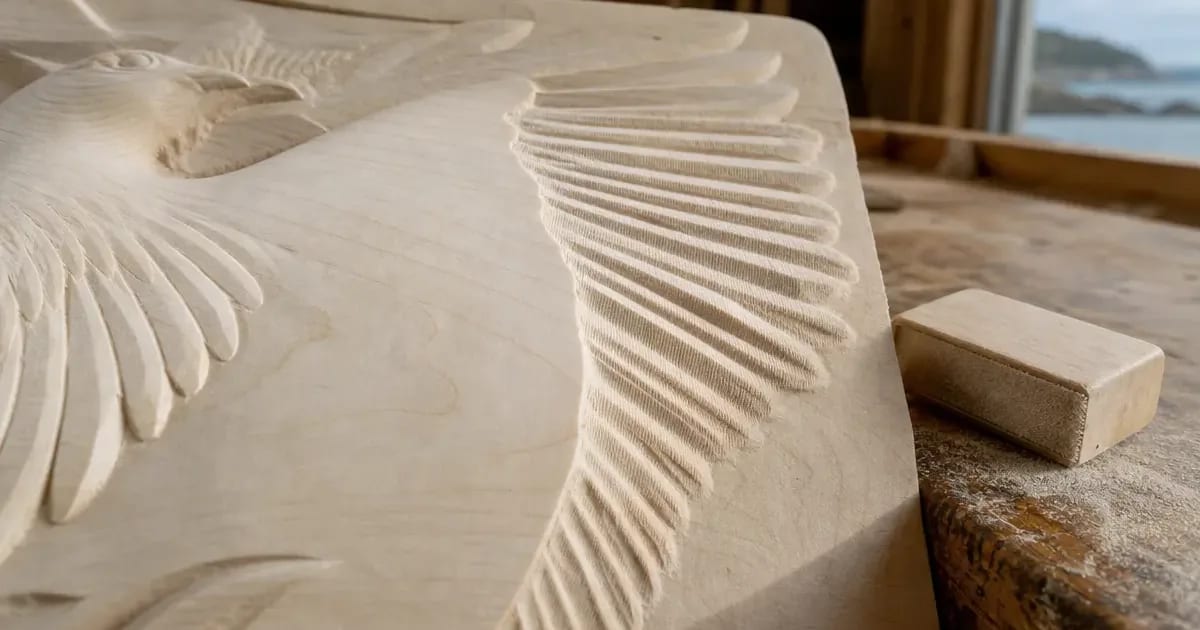
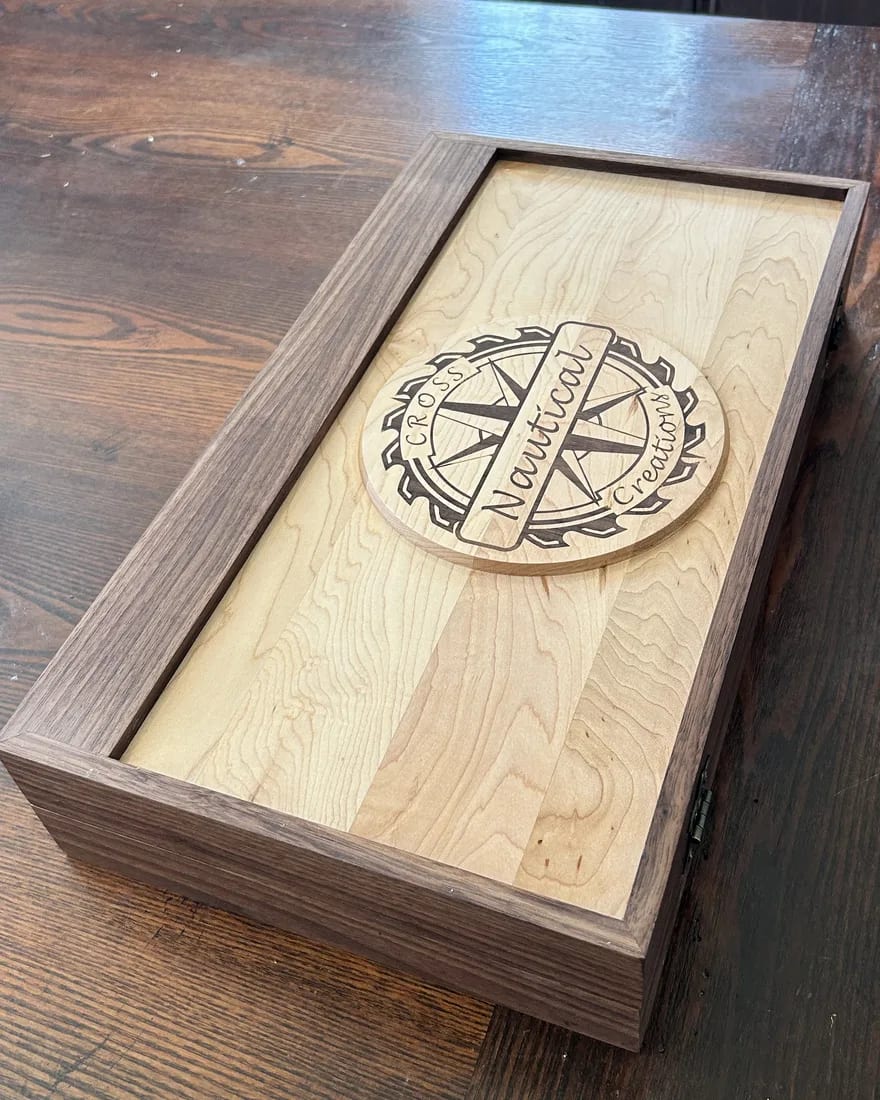
Founded in 1994, the shop builds kitchens, vanities and custom pieces in Gaspésie. To see how the work is done, read our post on carving wood on the CNC or visit the laser engraving page.
If these qualities sound like you, or like something you would like to build, read the shop's hiring page and get in touch.
Work at the shop
Part-time job, 20 to 30 hours a week, at the shop in Saint-Siméon-de-Bonaventure, in a workplace that runs in French.
Frequently asked questions
What qualities make a good woodworker?
Accuracy, patience, the ability to read a plan, care for the finish, safe habits, a tidy workspace and the habit of asking questions. None of them is a gift you are born with. Each one can be practised.
Do I need experience to help out in a cabinet shop?
The shop looks first for people who are willing to learn. Everyday shop tasks are taught on site, and training on the CNC router and the laser comes gradually, under supervision.
Is the shop hiring part-time?
Yes. The job is 20 to 30 hours a week at the shop in Saint-Siméon-de-Bonaventure, and the workplace runs in French. Students and people who want part-time work are welcome.
This article is general information, provided without guarantee. The facts come from the sources named and can change: check them before you make a decision. We care about getting our articles right. Spotted an error? Write to us.